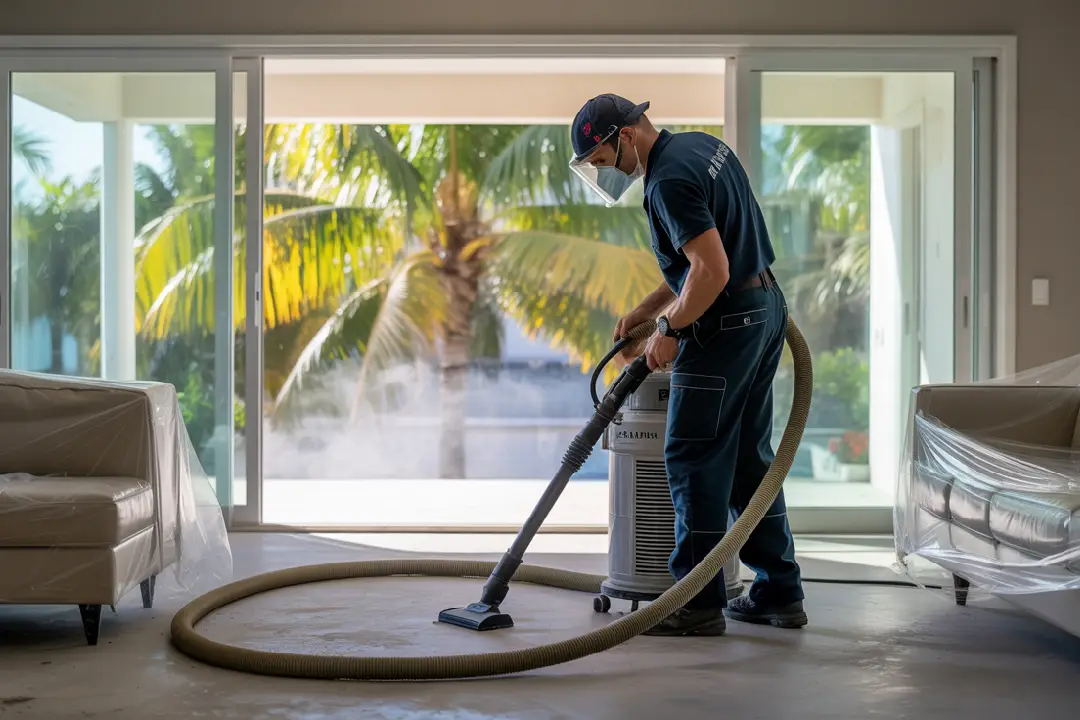
If you’ve ever wondered what separates a quick “blow-and-go” from a truly professional air duct cleaning, the answer is simple: NADCA standards. NADCA (the National Air Duct Cleaners Association) sets industry-recognized best practices for cleaning HVAC systems safely and effectively. In South Florida—where humidity, salt air, and long cooling seasons challenge our HVAC systems—following those standards isn’t a nice-to-have; it’s essential for indoor air quality and comfort.
This guide breaks down NADCA’s core principles into a Florida-friendly checklist you can use to vet contractors and compare quotes. You’ll know what should happen before, during, and after the job—so you can protect your home and get the results you paid for.
Prefer to skip the research and talk to a local pro who works to industry standards? Book a NADCA-Style Duct Cleaning Assessment in South Florida
What Are NADCA Standards—In Plain English?
NADCA standards outline how to clean HVAC systems thoroughly and safely. At a high level, that means:
- Containment: Control dust so it doesn’t spread through your home during cleaning.
- Source removal: Physically remove contaminants—don’t just “fog” over them.
- Proper equipment: Use high-powered vacuums with HEPA filtration, and mechanical agitation tools (brushes/whips) to dislodge debris.
- Trained technicians: Follow a defined scope with attention to returns, supplies, registers/grilles, and the plenum/air handler where accessible.
- Documentation: Provide findings and photos so homeowners can see what was done.
That’s the big picture. Now, let’s turn it into a practical homeowner checklist you can use in Miami, Fort Lauderdale, and beyond.
The Florida Homeowner’s NADCA-Style Checklist
Use this to compare any offer—per-vent or flat-rate—apples to apples. If an item doesn’t appear on a quote, ask why.
- Pre-Inspection & System Off: Techs evaluate returns, supplies, the air handler area, and access points. The system is safely powered down before work begins.
- Protection & Containment: Floors and finishes are protected. Registers are removed and covered. Negative pressure is established so debris flows into the vacuum, not back into rooms.
- HEPA-Filtration Vacuum Setup: A high-powered vacuum—preferably truck-mounted or industrial portable—connects to the duct system to capture particles.
- Mechanical Agitation in Ducts: Brushes or air whips are used to dislodge dust and debris from duct surfaces so the HEPA system can remove them.
- Register/Grille Cleaning: Covers are cleaned, not just wiped, and reinstalled.
- Air Handler Attention: Where accessible, the plenum and adjacent components are inspected and cleaned within the agreed scope.
- Targeted Sanitization (as needed): If there are odor or microbial concerns, HVAC-safe products are applied to treated surfaces per best practices—never as a substitute for debris removal.
- New Filter Installation: A fresh, correctly rated filter is installed to protect your now-clean system.
- Final Walkthrough & Photos: Findings are reviewed with you, including before/after images and maintenance tips for South Florida’s climate.
Want this process—start to finish—without the upsell games? Request a Scope-First Quote
Why NADCA-Style Cleaning Matters More in South Florida
Our climate is uniquely tough on HVAC systems. High humidity and warm attics encourage dust to cling to surfaces and can amplify odors. If your home has pets, recent renovations, or past leaks, debris and moisture can build up faster than you expect.
- Humidity & odors: Moisture helps fine particles stick and can leave a musty smell if not properly removed.
- Salt air: Coastal environments can introduce corrosive elements—clean components perform better and last longer.
- Long cooling seasons: More runtime means more opportunities for dust to circulate through returns and supply runs.
In short, South Florida homes benefit from a process that goes beyond surface dusting—one that deals with particles and the conditions that make them persistent.
What’s Actually Included vs. “Marketing Fluff”
Some offers rely on vague language like “whole-house sanitizing” or “complete system freshen-up.” NADCA-style cleaning is specific:
- Included: HEPA vacuum extraction, mechanical agitation inside ducts, register/grille cleaning, attention to returns and supply runs, targeted sanitization where appropriate, filter replacement, and a documented walkthrough.
- Not a substitute: Fogging or deodorizing alone. If no source removal happens, contaminants remain.
If a quote doesn’t mention HEPA filtration, agitation tools, or a step-by-step scope, proceed cautiously. See a Clear Scope of Work
How to Vet a Contractor (5 Quick Questions)
- What equipment will you use? Look for HEPA-filtered vacuums and mechanical agitation tools.
- What areas are included? Returns, supplies, registers, and accessible plenum/air handler areas should be addressed.
- How will you contain dust? Ask about register covers, protective sheeting, and negative pressure.
- What products do you apply, and why? Sanitizers should be HVAC-safe and used only where appropriate.
- Will I receive photos or documentation? A professional provider shows you what was cleaned.
Before Your Appointment: How to Prepare (Florida Edition)
- Clear access to supply and return grilles, the air handler, and the attic hatch (if applicable).
- Share your home’s history: Pets, renovations, leaks, or persistent odors help your technician plan.
- Humidity matters: If you battle high indoor RH, mention it—your tech can offer tips to prevent future buildup.
- Plan for a walkthrough: Reserve a few minutes at the end for findings and maintenance recommendations.
Benefits You Can Actually Feel
When done to industry standards, air duct cleaning supports more than clean-looking vents. Homeowners commonly notice:
- Cleaner indoor air, with fewer dust and odor complaints.
- More consistent airflow thanks to clear supply and return paths.
- Less strain on the system, helping equipment operate as designed.
These are the tangible, day-to-day improvements that make the service worthwhile—especially in homes running AC most of the year.
Common Myths—Busted
- “Fogging fixes everything.” Deodorizers can’t replace physical debris removal. Source removal is non-negotiable.
- “It’s a quick vacuum job.” Without agitation, debris clinging to duct walls won’t budge.
- “All providers follow the same process.” Processes vary widely. Ask for a written scope aligned with NADCA principles.
FAQ: NADCA Standards for South Florida Homeowners
Do I need duct cleaning every year?
Not necessarily. Frequency depends on factors like pets, renovations, leaks, and humidity. A pro can recommend a cadence based on your home’s conditions.
Can I stay home during the service?
Yes. Your provider will explain containment steps and any ventilation needs after targeted sanitization.
Will cleaning alone solve odors?
It often reduces them, especially when combined with addressing moisture and installing a fresh filter.
Do you clean the air handler too?
NADCA-style scopes include attention to accessible components. Your provider should clarify what’s included and what requires separate service.
The South Florida Takeaway
When you hire based on standards—not slogans—you get a cleaner system, clearer air, and better everyday comfort. Use the checklist above to compare providers, and insist on a scope that covers containment, HEPA vacuum extraction, mechanical agitation, targeted sanitization, and documented results.
Ready for a team that follows a clear, professional process from start to finish? Schedule Your NADCA-Style Air Duct Cleaning in South Florida
- Do You liked this post?. Share it with your friends!
Be the first to comment
Share Your Thoughts & Help Others!
Leave a comment and ⭐️ rate this article—your feedback helps us improve and guide others in making informed decisions!