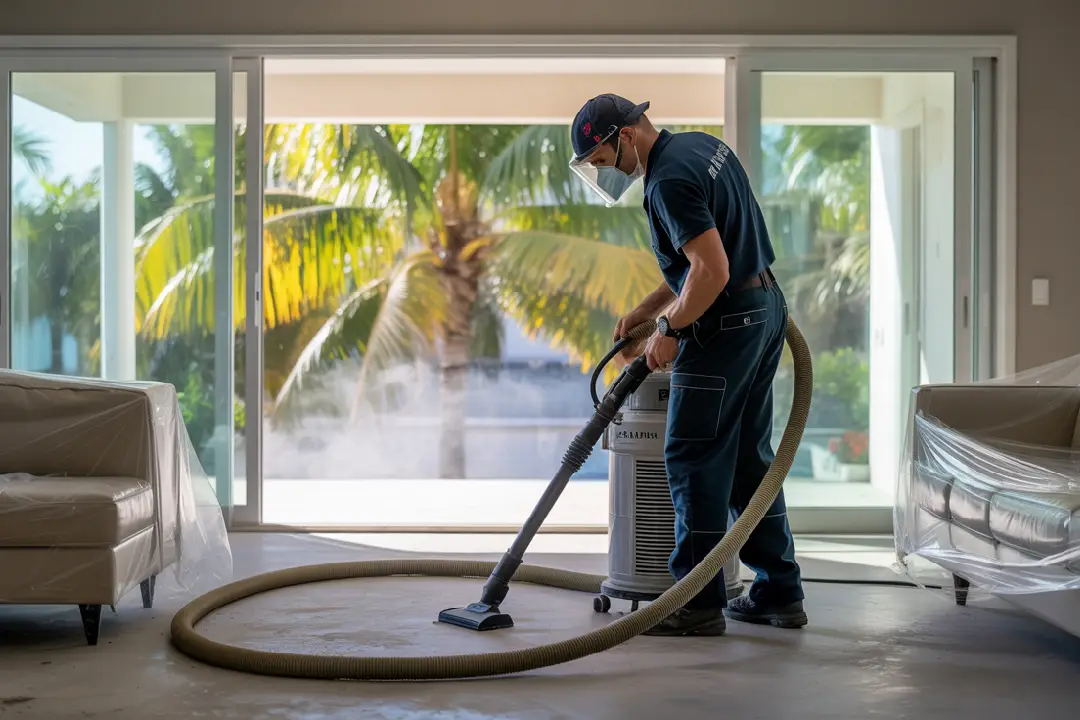
If you live in South Florida, you know humidity is relentless. That moisture can creep into your HVAC system and—when conditions are right—allow mold in AC ducts to take hold. The result? Musty odors, irritated allergies, and a home that never quite feels fresh no matter how often you clean.
This guide explains how to recognize the problem, what causes it in Florida homes, and the safest way to remediate it without spreading spores through your living space. If you suspect mold right now, skip ahead to the remediation steps and professional options. Request a Local Air Duct Inspection in South Florida
We’ll keep the advice practical and homeowner-friendly—so you can act quickly and protect your indoor air quality (IAQ) with confidence.
Why Mold Forms in Florida AC Ducts
Three things fuel mold growth: moisture, organic particles, and time. Florida’s climate provides plenty of the first factor. Add dust, pet dander, or construction debris inside ducts, and you’ve got food sources for microbial growth. Finally, poor airflow, dirty filters, or leaks let moisture linger long enough for mold to colonize surfaces.
- High humidity: Outdoor moisture and warm attics create condensation on ducts and inside air handlers.
- Insulation gaps: Poorly insulated or damaged ducts can sweat, especially above humid areas like bathrooms or kitchens.
- Restricted airflow: Clogged filters or closed registers allow cool, humid air to stagnate in the system.
- After water events: Roof leaks, plumbing issues, or floodwater can introduce moisture that persists in hidden duct sections.
Addressing these root causes is just as important as cleaning the ducts—otherwise the problem will return.
Early Warning Signs of Mold in Air Ducts
- Musty or earthy odors when the AC starts or while it runs.
- Dark or fuzzy spots on vent covers, inside registers, or near the air handler.
- Visible dust clumps with discoloration around supply vents.
- Persistent allergy-like symptoms indoors that improve when you’re away from home.
- History of leaks or recent renovations that introduced moisture or debris to the duct system.
If several of these apply, it’s time for a targeted inspection. Schedule a Professional Duct Assessment
Is It Mold or Just Dirt? (How to Tell Without Guesswork)
Dust buildup alone is common, but mold typically has a distinct smell and blotchy, irregular patterns that return quickly after wiping. A professional can inspect registers, the plenum, and accessible duct runs, and document findings with photos. When needed, they’ll recommend lab testing or remediation—especially if growth is widespread or near sensitive areas.
Safe, Step-by-Step Remediation (Homeowner’s Overview)
Cleaning ducts is not the same as dusting a shelf. Done poorly, it can release spores into your home. The safest path is a containment-based process with proper equipment and trained technicians. Here’s what a professional, scope-first approach looks like:
- System off & containment: The HVAC is safely shut down. Protective barriers and covers prevent cross-contamination of rooms.
- HEPA-filtered vacuum extraction: Industrial vacuums capture dislodged particles so they don’t blow back into the home.
- Mechanical agitation: Brushes/whips dislodge buildup on duct surfaces and components so the HEPA system can remove it.
- Targeted sanitization: HVAC-safe products are applied where appropriate to treat residual microbial activity and odors.
- Component attention: Returns, supply runs, registers, and the plenum receive attention based on accessibility and need.
- Final verification: A walk-through with photos and maintenance tips helps prevent future growth.
Choose providers who explain each step, specify the products they use, and prioritize IAQ. See What’s Included in a Professional Duct Cleaning
What Not to Do (Common DIY Mistakes)
- Don’t spray random chemicals into vents. Many products aren’t designed for HVAC systems and can harm components or occupants.
- Don’t run the AC during cleaning unless a pro instructs you; it can spread contaminants.
- Don’t ignore the air handler or returns, where moisture and debris often start.
- Don’t skip containment and HEPA filtration. Without them, you’re just moving spores around.
Preventing Mold After Remediation (Florida-Specific Tips)
- Manage humidity: Keep indoor RH roughly 40–50% when possible. Use bathroom exhaust fans, fix leaks quickly, and consider a whole-home dehumidifier if recommended.
- Change filters on schedule: Use quality filters rated for your system. A clogged filter restricts airflow and encourages condensation.
- Improve insulation & sealing: Seal duct leaks and insulate runs in hot attics to reduce sweating.
- Keep vents open & balanced: Avoid closing too many registers; it can create cold spots and moisture pockets in the ductwork.
- Post-renovation clean: After drywall work or sanding, consider a professional post-construction cleaning to remove dust that feeds microbial growth.
How Professional Duct Cleaning Supports IAQ and Comfort
When done with the right equipment and process, duct cleaning does more than remove visible debris. It supports healthier air and a smoother-running system—important in South Florida’s long cooling seasons. Homeowners often notice:
- Cleaner indoor air with fewer odors and irritants.
- More consistent airflow across rooms after debris is removed from supply/return paths.
- Less strain on equipment, helping the HVAC operate as designed.
If your goal is a fresher, more comfortable home, remediation paired with prevention is the winning approach. Talk to a South Florida Duct Cleaning Specialist
Red Flags When Choosing a Contractor
- Vague, one-line quotes without a written scope or process.
- No mention of HEPA filtration, containment, or mechanical agitation.
- Overly broad chemical “fogging” as the only solution, with no physical removal of debris.
- Pressure tactics or upsells that weren’t discussed up front.
- No photos or findings shared after the job.
FAQ: Mold in AC Ducts for South Florida Homes
Do I need lab testing?
Not always. Visible growth and strong odors often justify remediation. Testing may be recommended for large or sensitive projects.
Will cleaning alone solve it?
Cleaning and targeted sanitization help, but you must address the source of moisture—insul
- Do You liked this post?. Share it with your friends!
Be the first to comment
Share Your Thoughts & Help Others!
Leave a comment and ⭐️ rate this article—your feedback helps us improve and guide others in making informed decisions!